
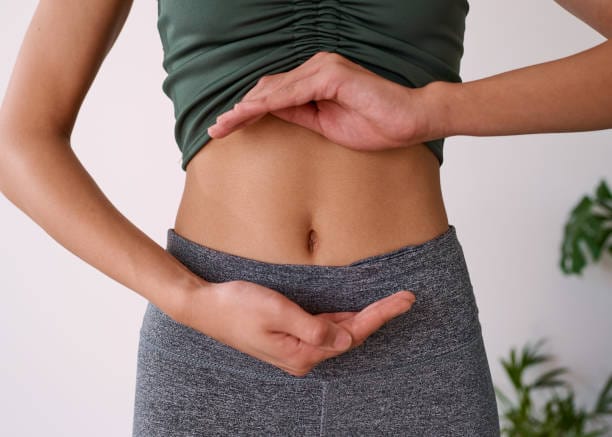
When “Eating Clean” Backfires
If you’ve ever tried cutting calories to lose weight, you’ve probably dealt with an unwelcome side effect: constipation when dieting.
I know this struggle all too well. When I was eating super “clean”—plain salads, boiled chicken, steamed veggies—my digestion basically went on strike. I was eating less but somehow feeling more… stuck.
After a lot of trial, error, and late-night Googling, I finally figured out why dieting causes constipation—and more importantly, what actually helped me fix it.
Here’s what worked for me (and might just help you, too).
Why Dieting Often Leads to Constipation
1. Eating Too Little: The “Extreme Calorie Deficit” Trap
When you drop your calorie intake too low, everything slows down—including your digestion. Your gut literally runs out of energy to keep things moving.
The result? Dry, hard stools that feel like tiny pebbles. Not fun.
2. Low-Carb + Low-Fat: The Double Trouble Combo
Cutting carbs may help you lose weight faster, but your gut bacteria also lose their favorite food source—fiber. Without enough fiber, your gut can’t produce short-chain fatty acids, which normally help regulate healthy bowel movements.
At the same time, cutting too much fat removes the natural “lubrication” your body needs for smooth digestion. Together, this combo often creates stubborn, dry constipation that feels impossible to fix.
3. “Ultra-Clean” Eating (But Too Dry)
If your meals are all steamed veggies, grilled chicken, and zero oil, your gut is probably missing the moisture and smoothness that healthy fats provide.
The result can feel like sandpaper moving through your intestines—painful and frustrating, even when you’re technically “eating healthy.”
My Personal Fixes for Diet-Related Constipation
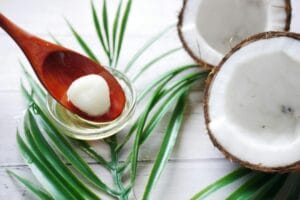
1. Coconut Oil + Black Coffee: The Morning Gut Trigger
One tablespoon (about 15–20 ml) of coconut oil first thing in the morning—sometimes with a cup of black coffee—worked like magic for me.
Coconut oil contains medium-chain fatty acids that naturally stimulate bile flow and intestinal movement. For me, this simple combo quickly became a reliable “bathroom signal.”
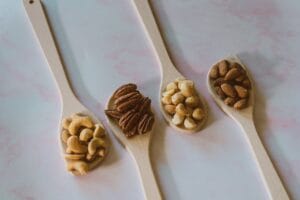
2. Add Quality Fats (Salmon, Avocado, Nuts)
Instead of avoiding fats, I started adding a small portion of healthy fats to every meal—like a palm-sized piece of salmon, half an avocado, or a small handful of almonds.
Omega-3 fats help fight inflammation and keep stools soft and easy to pass. For me, hitting around 15 grams of healthy fat a day was the sweet spot for staying regular.

3. Chia Seeds: The Gentle Volume Booster
When soaked overnight in water or unsweetened yogurt, chia seeds expand up to twelve times their size. Their gel-like texture adds volume to stool and helps everything move more smoothly.
I found that drinking chia seed water in the morning or mixing them into breakfast was a total game-changer for my digestion.

4. A Relaxed Mindset: Let Go of “Daily or Nothing”
For years, I believed “going daily” was the gold standard. But here’s what I learned: as long as your stool is soft, painless, and formed, going every two or three days can still be perfectly normal—especially on a lower-calorie diet.
Once I stopped stressing about it, my body actually became more regular.
Final Thoughts
Constipation during weight loss isn’t just uncomfortable—it can completely derail your motivation. But a few simple tweaks, like adding good fats, soaking chia seeds, or using a spoonful of coconut oil, can make all the difference.
Healing your digestion doesn’t mean giving up your fat-loss goals—it just means working with your body instead of against it.
Here’s to smoother mornings, a happier gut, and feeling lighter (in every sense of the word).
**Disclaimer:** I am not a medical professional. This article is based on my personal experience and research. If you are experiencing severe or persistent constipation, please consult with a healthcare provider to rule out any underlying conditions.